Landlord Rights in Nigeria: What Every Property Owner Needs to Know
Being a landlord in Nigeria is one of those ventures that looks straightforward from the outside and reveals its complexities only after you’re already in it. You own a property, you find a tenant, they pay rent, you maintain the building, and everyone goes home happy. That’s the version people imagine when they decide to let out a property. The version they sometimes get involves unpaid rent, a tenant who has essentially moved a second family into the flat, a property returned in a condition that suggests it hosted a construction site, and a legal process for recovering possession that takes longer and costs more than anyone warned them it would.
Understanding your rights as a landlord and not just your instincts about what should be fair, but what Nigerian law actually grants you is the starting point for avoiding most of these problems. This article covers the key rights that landlords hold under Nigerian law: the right to receive rent, the right to inspect the property, the right to recover possession, the right to enforce the terms of the tenancy, and the right to take legal action when things go wrong. It also covers the limits of those rights, because a landlord who understands where their authority ends is far less likely to do something that creates legal liability.
The Right to Receive Rent
The most fundamental right in any landlord-tenant relationship is the right to receive rent and it sounds so obvious that it barely seems worth stating until you’re dealing with a tenant who has decided, for reasons of their own, to stop paying.
Under Nigerian contract law, a tenancy agreement creates a binding obligation on the tenant to pay rent at the agreed time and in the agreed amount. This obligation is not discretionary. A tenant who withholds rent because they are unhappy with the landlord, dissatisfied with the condition of the property, or simply experiencing financial difficulty is in breach of the agreement. Their grievances, however legitimate they may feel, do not suspend the rent obligation those are matters to be addressed through the appropriate channels, not by unilaterally stopping payment.
The right to receive rent includes the right to receive it on time. If the tenancy agreement specifies that rent is due on the first of every month, or annually on the anniversary of the tenancy, that timing is part of the agreement and the tenant is in default the moment payment lapses. Landlords who allow informal payment arrangements to develop accepting late payments without comment, agreeing verbally to defer payment, or simply not chasing sometimes find later that a pattern has been established that complicates their position when they eventually want to enforce strict compliance.
This is one of the reasons why the tenancy agreement matters so much from a practical standpoint. A clearly drafted agreement that specifies exactly when rent is due, in what form, and through what channel creates an unambiguous record of what the tenant agreed to. When payment lapses, the landlord has a clear baseline to point to.
LegalDoc’s tenancy agreement template is drafted to include precise payment terms the amount, the due date, the payment method, and the consequences of late payment so that both parties enter the tenancy with the same clear understanding of what is expected.
The Right to Inspect the Property
A landlord retains a right to inspect their property during the tenancy. This is not simply a matter of protecting the physical asset though that matters it’s also about ensuring that the property is being used in accordance with the terms of the agreement and that any maintenance issues are identified before they become expensive structural problems.
The right to inspect, however, is not an unlimited or unconditional one. Nigerian tenancy law, and the common law principles that underpin it, recognise the tenant’s right to peaceful enjoyment of the property meaning the landlord cannot simply turn up whenever they feel like it and demand entry. Entry must be at a reasonable time, and in most circumstances, it must be preceded by reasonable notice. What counts as reasonable notice is typically 24 to 48 hours, though the tenancy agreement can specify a different period.
The purpose of the inspection also matters. A landlord who genuinely wants to check the condition of the property or oversee a repair is exercising the right properly. A landlord who uses the inspection right as a pretext for harassment visiting repeatedly, at inconvenient hours, to pressure the tenant about unrelated matters is abusing the right, and a court would not be sympathetic to that approach.
In practice, the inspection right works best when it is clearly set out in the tenancy agreement from the beginning. When the agreement specifies that the landlord may inspect the property on reasonable notice of 48 hours, both parties know exactly where they stand. Disputes about whether entry was appropriate are far less likely when the terms are written down than when they’re being argued about after the fact.
A move-in inspection carried out before the tenant takes possession and documented with photographs and a written checklist is also something every landlord should conduct, and it serves a double purpose. It gives the landlord a baseline record of the property’s condition at the start of the tenancy, which is essential when assessing whether any damage at the end was caused by the tenant or was pre-existing. It also signals to the tenant from the very beginning that the landlord is paying attention and takes the condition of the property seriously.
The Right to Enforce the Terms of the Tenancy
The tenancy agreement isn’t just a record of what was agreed it is a legally enforceable contract. When a tenant breaches its terms, the landlord has the right to take action to enforce compliance or, in serious cases, to terminate the tenancy.
What constitutes a breach varies depending on the agreement, but common examples include using the property for a purpose that wasn’t permitted (operating a commercial business from a residential premises, for instance), subletting the property or allowing additional occupants without the landlord’s consent, causing or permitting damage beyond normal wear and tear, making alterations to the property without authorisation, or keeping animals in a property where pets were not allowed.
The right to enforce these terms is real, but how a landlord exercises it matters enormously. A tenant who is operating a small business from their flat without permission hasn’t necessarily given the landlord the right to change the locks and remove their belongings. The landlord’s proper response is to write to the tenant, draw their attention to the specific breach, and require them to remedy it within a reasonable period. If the tenant doesn’t comply, the landlord can then move toward formal termination of the tenancy following the correct legal process.
This structured approach identify the breach, communicate formally, give opportunity to remedy, escalate if necessary is not just good practice. It is what Nigerian courts expect to see when a landlord brings proceedings to terminate a tenancy on the basis of a breach. A landlord who skipped straight to self-help remedies, regardless of how egregious the tenant’s conduct was, is going to have a harder time in court than one who followed the proper process at each step.
The Right to Terminate a Tenancy
The right to bring a tenancy to an end is one of the most important and most frequently misunderstood rights in the landlord-tenant relationship. Landlords sometimes assume that because they own the property, they can ask a tenant to leave whenever they want. This is not how Nigerian law works.
For a fixed-term tenancy one that runs for a specified period, say 12 months the landlord generally cannot end the tenancy before the expiry of that term unless the tenant has breached the agreement in a way that justifies early termination, and the agreement includes a clause permitting this. At the end of the fixed term, the landlord can decline to renew, but must give proper notice.
For periodic tenancies the more common arrangement in Nigeria, where the tenancy rolls over annually or monthly the landlord can bring the tenancy to an end by serving a notice to quit. But the notice must comply with the legal requirements. Under the Tenancy Law of Lagos State 2011, a yearly tenant is entitled to six months’ notice, a monthly tenant to one month’s notice, and a weekly tenant to one week’s notice. Other states apply similar principles, though the specific periods may differ.
After the notice to quit expires, if the tenant remains in the property, the landlord cannot forcibly remove them. The next step is to serve a seven-day notice of intention to apply to recover possession this is a specific notice required before court proceedings can be commenced. After that seven-day notice has also expired, the landlord can file proceedings at the Magistrate Court or Rent Tribunal for an order of possession.
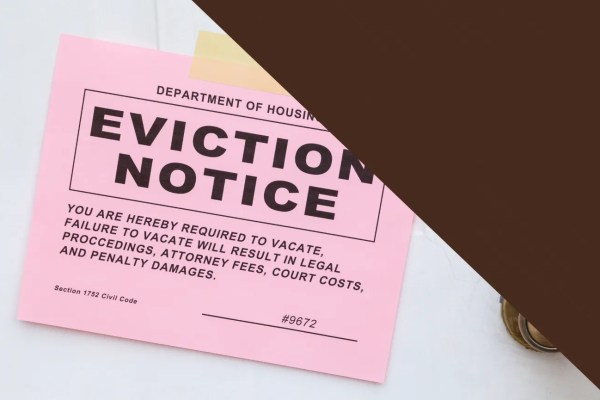
If the court grants the order, the tenant is required to vacate. If they still don’t, bailiffs can enforce the order. At no stage in this process is the landlord permitted to take matters into their own hands. Changing locks while the tenant is away, removing the tenant’s belongings, cutting off electricity or water, or physically obstructing the tenant’s access to the property are all forms of illegal self-help eviction. A landlord who does these things is exposing themselves to a lawsuit and courts in Nigeria have consistently found against landlords who bypass the legal process, regardless of how legitimate their underlying complaint about the tenant was.
The Right to Recover the Property in Good Condition
When a tenancy ends, the landlord has the right to recover the property in the condition it was in at the start of the tenancy, allowing for reasonable wear and tear. The key phrase there is “reasonable wear and tear” the gradual deterioration that results from normal occupation over time. Scuffed paint, a worn carpet, minor surface scratches on floors these are expected consequences of someone living in a space and are not the tenant’s financial responsibility.
What the landlord is entitled to recover is the cost of repairing genuine damage caused by the tenant. Broken fixtures, holes in walls, damaged kitchen fittings, stained floors from negligence or spillage, or a property that was left in a significantly degraded condition these are costs that can legitimately be deducted from the security deposit, or claimed from the tenant directly if the deposit doesn’t cover them.
The practical challenge for landlords who want to exercise this right effectively is documentation. Without a clear record of the property’s condition at the start of the tenancy photographs, a written inventory, a signed move-in checklist a landlord who claims that damage was caused by the tenant is in the uncomfortable position of trying to prove a negative. The tenant can simply say the damage was already there.
This is why the move-in inspection and its documentation are so important. A signed inventory and a set of dated photographs at the start of every tenancy create the evidential foundation that makes end-of-tenancy claims credible and, if necessary, legally pursuable.
The Right to Increase Rent
Landlords have the right to review and increase rent, but that right is not unlimited, and exercising it improperly can create legal problems.
For a fixed-term tenancy, rent cannot generally be increased during the term unless the agreement expressly includes a rent review clause that specifies the mechanism and timing for any increase. A landlord who tries to raise rent mid-tenancy without a contractual basis is not exercising a legal right they’re proposing a variation to the contract, which requires the tenant’s agreement.
For periodic tenancies, a landlord can propose a rent increase at the renewal stage, but must give the tenant adequate notice before the new rent takes effect. In Lagos, this means giving notice equivalent to the notice to quit period so a yearly tenant must be given six months’ notice of a rent increase before it becomes effective at the next renewal. A landlord who simply announces a rent increase with two weeks’ notice, or who insists on a higher rent without any notice at all, is not acting in accordance with the law.
This is an area where the tenancy agreement can do significant work. Including a clear rent review clause specifying when reviews can happen, what the basis for any increase will be (for example, a percentage figure or alignment with inflation), and how much notice will be given removes ambiguity and reduces the likelihood of disputes at renewal.
The Right to Take Legal Action
When a tenant causes financial harm through unpaid rent, damage to the property, or breach of the agreement the landlord has the right to pursue legal remedies. This includes the right to file a claim for unpaid rent, to claim compensation for damage, and to recover legal costs where the court sees fit.
Legal action through the courts is the correct channel for these claims. The Magistrate Court handles most residential tenancy disputes in Nigeria, and the process is more accessible than many landlords assume particularly for straightforward claims involving unpaid rent or damage recovery. The Small Claims Court, where it operates, offers an even more streamlined process for lower-value claims.
What makes legal action feasible and effective is, again, documentation. A landlord who has a signed tenancy agreement, a record of payments received and missed, a move-in inspection report, and a documented attempt to resolve the matter before resorting to court is in a very strong position. A landlord who has nothing in writing and is relying entirely on their recollection of verbal agreements is going to struggle.
Understanding the Limits of Landlord Rights
Everything above describes rights that Nigerian law genuinely grants to landlords. But it’s equally important to understand where those rights end because a landlord who oversteps creates problems for themselves that are often more expensive than the original issue with the tenant.
Landlords do not have the right to enter the property without notice or permission. They do not have the right to evict a tenant without following the proper legal process. They do not have the right to interfere with utilities, restrict access, or remove the tenant’s belongings to compel them to leave. They do not have the right to increase rent without proper notice. They do not have the right to retain a security deposit without providing a documented account of any deductions.
Knowing these limits isn’t a concession to tenants it’s practical self-protection. A landlord who operates within the law is far better positioned, both legally and practically, than one who acts on instinct and emotion when a tenancy relationship deteriorates.
Why the Tenancy Agreement Is the Landlord’s Most Important Tool
Every right discussed in this article is most effectively exercised through a well-drafted tenancy agreement. The agreement is what translates legal rights into specific, documented, enforceable terms for a particular tenancy. It specifies when rent is due and in what amount. It defines the conditions for inspection. It records the condition of the property at the start of the tenancy. It sets out what the tenant is and isn’t permitted to do. It establishes the process for termination and the notice periods that apply.
Without a properly drafted tenancy agreement, a landlord’s legal rights are theoretical. They exist in the law, but exercising them in any specific dispute requires proving what was agreed and without a written record, that becomes an uphill battle.
LegalDoc’s tenancy agreement template is drafted by Nigerian lawyers specifically for the Nigerian rental market. It covers rent terms, security deposits, inspection rights, permitted use, maintenance responsibilities, termination provisions, and notice periods all the provisions that protect a landlord’s position throughout the life of the tenancy. Generating your tenancy agreement takes minutes, and it costs a fraction of what a single rent dispute would cost to resolve without one.
Frequently Asked Questions About Landlord Rights in Nigeria
Does a landlord have the right to enter the property at any time?
No. Even though the landlord owns the property, the tenant has the right to peaceful enjoyment during the tenancy. The landlord may enter to inspect or carry out repairs, but must give reasonable notice typically 24 to 48 hours and must do so at a reasonable time of day. Entering without notice or permission is trespass, regardless of who owns the building.
Can a landlord refuse to return a security deposit?
Only if there are legitimate, documented deductions to be made for damage beyond normal wear and tear, or for unpaid rent or other amounts owed under the agreement. The landlord cannot simply keep the deposit because the tenancy ended on bad terms. Any deductions must be itemised and justified. A landlord who refuses to return a deposit without proper grounds can be sued for recovery.
What can a landlord do if a tenant isn’t paying rent?
The landlord should first serve a formal notice requiring payment within a specified period. If the tenant doesn’t pay, the landlord can serve a notice to quit, followed by the seven-day notice of intention to apply for possession, and then file proceedings at the Magistrate Court. The landlord can also claim the unpaid rent as part of the court proceedings.
Can a landlord evict a tenant without a court order?
No. This is one of the clearest rules in Nigerian tenancy law. Regardless of the reason for eviction non-payment of rent, breach of the agreement, or the landlord simply wanting the property back the landlord cannot forcibly remove a tenant without a valid court order. Changing locks, removing belongings, or cutting utilities are forms of illegal self-help eviction that expose the landlord to legal liability.
How much notice must a landlord give before ending a tenancy?
This depends on the type of tenancy. In Lagos, under the Tenancy Law 2011, a yearly tenant must be given six months’ notice, a monthly tenant one month’s notice, and a weekly tenant one week’s notice. After the notice to quit expires, a further seven-day notice must be served before court proceedings can be filed. Other states have similar principles, though the specific notice periods may vary.
Can a landlord increase rent whenever they want?
No. For a fixed-term tenancy, rent cannot be increased during the term unless the agreement includes a specific rent review clause. For periodic tenancies, the landlord can propose an increase at renewal but must give adequate notice. In Lagos, this means giving notice equivalent to the notice to quit period six months for yearly tenants. Imposing a rent increase without proper notice is not legally effective.
What happens if a tenant damages the property?
The landlord is entitled to recover the cost of repairing damage caused by the tenant that goes beyond normal wear and tear. This can be done by deducting the cost from the security deposit and, if the deposit doesn’t cover the full amount, by pursuing a claim for the balance in court. The strength of this claim depends heavily on documentation a move-in inspection report and photographs that establish the condition of the property at the start of the tenancy are essential.
Can a landlord prevent a tenant from having guests?
A landlord can place reasonable restrictions on the use of the property in the tenancy agreement, including provisions about overnight guests or additional occupants. However, a restriction that is excessively controlling of the tenant’s private life may be unenforceable. The more relevant provision is one that prohibits subletting or allowing additional permanent residents without the landlord’s consent this is a standard and enforceable clause.
What is the difference between a notice to quit and an eviction?
A notice to quit is a formal written notice from the landlord to the tenant that the tenancy will be ending at a specified date. It is the first step in the process of ending a tenancy, but it does not by itself remove the tenant from the property. If the tenant doesn’t vacate after the notice expires, the landlord must serve a seven-day notice and then seek a court order for possession. The court order, enforced if necessary by bailiffs, is the actual eviction. A notice to quit and an eviction are different stages of the same process.
Does a landlord need a lawyer to draft a tenancy agreement?
Not necessarily. A well-designed tenancy agreement template that has been drafted and reviewed by Nigerian lawyers provides a solid, legally compliant foundation for most residential tenancies. LegalDoc’s tenancy agreement template is specifically designed for the Nigerian market, covers all the essential provisions, and can be personalised to the specific property and tenancy in minutes. For more complex arrangements commercial leases, high-value properties, or situations with unusual terms professional legal advice adds meaningful value.
Can a landlord terminate a tenancy early because they want to sell the property?
Wanting to sell the property is not by itself a ground for immediate termination of a periodic tenancy. The landlord must serve a notice to quit with the appropriate notice period, wait for it to expire, and follow the legal process from there. A sale of the property during an existing tenancy transfers the tenancy to the new owner the buyer takes the property subject to the tenant’s existing rights until the tenancy lawfully ends.
What if the tenant sublets the property without permission?
Subletting without the landlord’s consent is a breach of the tenancy agreement, provided the agreement prohibits it which most standard agreements do. The landlord is entitled to treat the breach as grounds for termination, following the proper notice and court process. The landlord should document the subletting, write to the tenant formally identifying the breach and requiring them to remedy it, and escalate if the tenant fails to comply.
Conclusion
Property in Nigeria is an asset that appreciates over time and generates income when well managed. The difference between well-managed and poorly managed often comes down to whether the landlord approached the tenancy relationship with the right legal tools from the beginning.
Your rights as a landlord are real. The right to receive rent on time, to inspect your property, to enforce the terms of the agreement, to recover possession through the proper legal process, and to be compensated for genuine damage these are all protections that Nigerian law affords you. But they work best when they’re backed by a clear, properly drafted tenancy agreement that records exactly what was agreed and gives you a solid foundation to stand on if the relationship breaks down.
LegalDoc’s tenancy agreement template was built for exactly this purpose drafted by Nigerian lawyers, tailored to the Nigerian rental market, and designed to be completed in minutes so that your protection is in place before the keys are handed over. Because the best time to protect your rights as a landlord is always before a problem arises, not after.