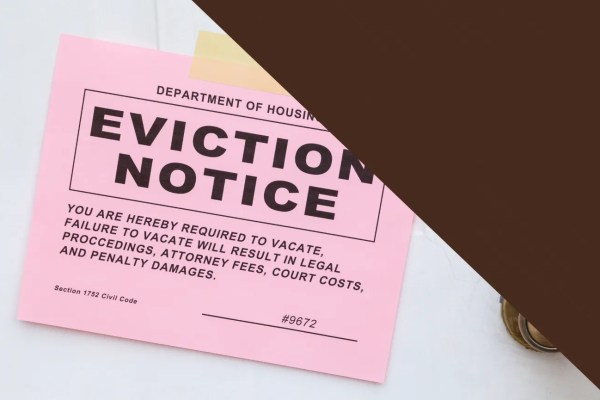

1. Who is a Squatter in Nigerian Law?
A squatter is generally defined as someone who occupies land or property without legal title, lease, license, or permission from the owner. Unlike tenants, squatters have no contractual relationship with the landlord.
Common scenarios of squatting in Nigeria include:
-
Occupying an abandoned or uncompleted building without consent.
-
Staying in a property after a tenancy has expired, without paying rent or with refusal to leave.
-
Encroaching on land and erecting structures without ownership documents.
It is important to distinguish between a tenant holding over (someone whose lease has expired but continues in possession) and a squatter. While the former once had a valid tenancy, the latter never had any legal right to occupy the property.
2. Do Squatters Have Rights in Nigeria?
On the surface, squatters have no contractual or proprietary rights. Nigerian law recognizes the right of a landlord or property owner to recover possession of their property from unlawful occupiers.
However, squatters are still entitled to certain legal protections. The Nigerian Constitution and tenancy laws emphasize due process — meaning even squatters cannot be forcefully ejected without following legal procedures.
In Ihenacho v. Uzochukwu (1997) 2 NWLR (Pt. 487) 257, the Supreme Court strongly condemned self-help eviction, holding that no landlord has the right to forcibly eject an occupier, whether tenant or squatter, without a court order.
Thus, while squatters cannot claim ownership simply by occupation, they are protected against unlawful or violent eviction.
3. Squatters and the Doctrine of Possession
Under Nigerian property law, possession carries weight even if the person in possession lacks ownership. Courts recognize that a person in actual possession of land has rights that must be respected until displaced by due process of law.
This principle was emphasized in Amakor v. Obiefuna (1974) 3 SC 67, where the Supreme Court held that possession, even without title, is protected against unlawful interference. Therefore, a squatter cannot be violently evicted — the landlord must go through lawful channels.
4. Eviction Process of a Squatter in Nigeria
Evicting a squatter requires adherence to legal procedures. Skipping due process exposes landlords to civil liability and, in some cases, criminal prosecution for unlawful eviction.
Step 1: Establish Ownership
The first step is proving ownership of the property. Courts will require documents such as a Certificate of Occupancy (C of O), deed of assignment, or any other recognized land title. Without proof of ownership, eviction proceedings cannot succeed.
Step 2: Serve a Formal Notice
Even though squatters are not lawful tenants, Nigerian courts generally require some form of quit notice or notice to vacate, especially where the squatter initially entered with implied consent (e.g., holding over after tenancy).
For pure squatters who never had tenancy rights, some courts accept that a seven days’ owner’s intention to recover possession is sufficient notice. This ensures fairness and compliance with due process.
Step 3: File an Action in Court
If the squatter refuses to vacate, the landlord must file an action at the appropriate Magistrate Court or High Court (depending on jurisdiction). The action is usually for Recovery of Premises and Possession of Property.
The claim should include:
-
Proof of ownership
-
Evidence that notice was served
-
Facts showing unlawful occupation
Step 4: Obtain a Court Order
If the court is satisfied with the evidence, it will grant an order of possession in favor of the landlord. This order authorizes law enforcement to evict the squatter.
Without a court order, any eviction attempt by the landlord is unlawful, regardless of how frustrating the squatter’s presence may be.
Step 5: Enforcement of Court Judgment
After securing judgment, the landlord may apply for a writ of possession, which empowers the Sheriff or bailiffs of the court to remove the squatter and restore the landlord’s possession lawfully.
5. Can a Squatter Acquire Ownership by Long Possession?
Another important legal question is whether squatters can acquire ownership through long-term occupation.
Under the doctrine of adverse possession, continuous and uninterrupted occupation of land without the owner’s challenge may, in some jurisdictions, give rise to ownership rights.
However, in Nigeria, land ownership is largely governed by the Land Use Act, 1978, which vests all land in state governors for the benefit of the people. This limits the application of adverse possession.
Nonetheless, in cases where squatters occupy land for long periods without challenge, courts may recognize some equitable interests, especially where improvements or developments have been made. This makes it crucial for landlords to monitor their property and act promptly against unlawful occupation.
6. Landmark Cases on Squatters and Eviction in Nigeria
-
Ihenacho v. Uzochukwu (1997): Supreme Court held that landlords cannot use self-help eviction, even against squatters.
-
Amakor v. Obiefuna (1974): Court emphasized that possession, though not ownership, is a protected right until lawfully displaced.
-
Ayinke Stores Ltd. v. Adebogun (2008): Reinforced that notices must be served before recovering possession.
These cases highlight that squatters, though unlawful occupiers, are still entitled to due process protections under Nigerian law.
7. Challenges Property Owners Face in Evicting Squatters
Despite clear procedures, landlords often face difficulties such as:
-
Delays in court proceedings, which allow squatters to remain for extended periods.
-
Weak enforcement mechanisms, where bailiffs may be slow or reluctant to execute eviction orders.
-
Abuse of judicial processes, where squatters file frivolous applications to stall proceedings.
-
Security concerns, as evictions may sometimes trigger resistance or violence.
These challenges emphasize the need for proactive property management and legal strategy.
8. Practical Tips for Landlords in Preventing and Handling Squatters
-
Secure vacant properties: Fencing, locking, and surveillance reduce the risk of squatters entering.
-
Regular inspections: Monitoring unoccupied land or buildings ensures early detection of unlawful occupation.
-
Engage legal professionals early: Lawyers can issue notices promptly and file recovery actions efficiently.
-
Avoid self-help: Forceful eviction exposes landlords to criminal and civil liability.
-
Document ownership: Proper registration of land titles makes court processes faster and stronger.
9. Rights of Squatters During Eviction
Although squatters lack ownership, they have some procedural protections:
-
Right to be notified before eviction.
-
Right to a fair hearing in court.
-
Right to protection from unlawful harassment, threats, or violence.
These rights balance property ownership with respect for human dignity, as enshrined in the Nigerian Constitution.
10. Conclusion
The Property Owner’s Perspective: How to Protect Yourself
If you’re a landlord or property owner, here are some practical steps to avoid disputes involving squatters:
Regular Inspections: Visit your properties regularly to prevent unauthorized occupation.
Secure Vacant Properties: Lock all doors and windows, install security cameras, and post “No Trespassing” signs.
Act Quickly: If you suspect a squatter has moved in, consult a lawyer to initiate legal action immediately.
Document Everything: Keep records of property tax payments, photos of the property’s condition, and any communication with squatters.
In Nigeria, squatters’ rights are limited—they have no ownership or contractual entitlement to property. However, the law protects them from unlawful eviction, recognizing the principle that no one should be dispossessed without due process.
For landlords, the lawful path to removing squatters involves:
-
Proving ownership,
-
Issuing proper notice,
-
Filing an action in court,
-
Securing a court order, and
-
Enforcing it through bailiffs.
For squatters, while they cannot claim ownership merely by occupation, they are entitled to fair treatment and legal process before being evicted.