Tenant Rights in Nigeria: Caution Fees, Deposits and the Right to Peaceful Enjoyment
There’s a particular kind of stress that comes with renting property in Nigeria. You’ve found a place you like, negotiated the rent, and then the landlord hands you a list of things to pay before you even get the keys; rent in advance, a caution fee, agency fees, agreement fees, and sometimes a legal fee on top of all of that. By the time you’ve added it all up, you’re paying for two or three years’ worth of accommodation before you’ve spent a single night there.
And even after you move in, the uncertainty doesn’t always go away. Will the landlord show up unannounced? Will the caution fee come back when you eventually leave? Can they raise the rent before your tenancy is even up? What happens if they decide they want you out?
Most tenants in Nigeria go through this entire experience without knowing what rights they actually have. They comply, they pay, and they hope for the best because they don’t realise that Nigerian law has quite a lot to say about how tenants are supposed to be treated, and much of it is on their side.
This article is about those rights. Specifically, it covers three things that affect nearly every tenant in Nigeria: caution fees and what the law says about them, security deposits and how they’re supposed to work, and the right to peaceful enjoyment what it means, what it protects you from, and what you can do when a landlord violates it. Along the way, we’ll also look at what a solid tenancy agreement should do to protect you, because the document you sign at the beginning of a tenancy is the single most important factor in how the relationship plays out.
The State of Tenant Rights in Nigeria
Before getting into the specifics, it’s worth understanding the broader context. Nigeria doesn’t have a single national tenancy law that applies uniformly across the country. Instead, each state has its own legislation, and the quality and scope of those laws vary considerably.
Lagos State has the most developed framework, with the Tenancy Law of Lagos State 2011 providing detailed protections around rent, eviction, notice periods, and recovery of premises. Abuja operates under the Recovery of Premises Act, which is more procedural in nature. Other states rely on a mix of older state-level legislation and common law principles derived from Nigeria’s colonial legal heritage.
This patchwork approach means that a tenant’s rights in Lagos are not identical to those of a tenant in Port Harcourt or Kano. But certain principles particularly around quiet enjoyment, reasonable notice, and the return of deposits run through Nigerian tenancy law regardless of the state. These are the principles that matter most in day-to-day tenancy relationships.
What tends to happen in practice, unfortunately, is that many landlords operate as though none of these laws exist, and many tenants don’t know enough to push back. The result is a rental market where violations of tenant rights are common, widely tolerated, and often go unchallenged not because the law doesn’t protect tenants, but because tenants don’t know the law is there.
Caution Fees: What They Are and What They Are Not
If you’ve rented property in Nigeria, you’ve almost certainly paid a caution fee. It’s one of those charges that has become so normalised in the rental market that most people don’t even think to question it. You pay it, you move in, and you cross your fingers that you’ll see it again when you leave.
A caution fee is a sum of money paid by a tenant before moving in, ostensibly as security against damage to the property or its fixtures. The idea is that if the tenant leaves the property in a damaged state, the landlord can apply the caution fee toward the cost of repairs rather than chasing the tenant for payment after the fact.
In principle, this isn’t unreasonable. Security deposits exist in rental markets all over the world, and the logic behind them is sound. The problem in Nigeria is a combination of unclear documentation, inconsistent practice, and an almost complete absence of accountability for landlords who simply don’t return the money.
Here’s what the caution fee is supposed to be: a refundable deposit, held by the landlord on trust, that is returned to the tenant at the end of the tenancy once the property has been inspected and confirmed to be in acceptable condition. Any deductions from it should reflect actual, documented damage caused by the tenant — not general wear and tear, which is a normal consequence of habitation and the landlord’s responsibility.
Here’s what it often becomes in practice: an additional income stream for the landlord, collected upfront with vague justification and never returned, accompanied by claims of damage that are either exaggerated, undocumented, or invented entirely.
Nigerian law doesn’t use the specific term “caution fee” in most statutes, but it does recognise security deposits, and the principles that govern how deposits must be handled; including the obligation to return them; apply to caution fees in practice. The challenge is enforcement, which we’ll come back to shortly.
What Should Happen to Your Caution Fee
The caution fee should be documented in your tenancy agreement from the very beginning. The agreement should state how much was paid, what it covers, the conditions under which deductions can be made, and when and how it will be returned. Without this documentation, you are entirely dependent on the landlord’s goodwill which, as many tenants have discovered, is not always reliable.
When the tenancy ends, the process should work roughly like this: the landlord inspects the property, compares its condition to the state it was in when you moved in (ideally documented with a checklist or photographs at the start of the tenancy), identifies any damage that goes beyond normal wear and tear, provides you with an itemised account of any deductions, and returns the balance within a reasonable time.
What constitutes normal wear and tear? A worn carpet, minor scuffs on walls, faded paintwork, slightly scratched floors from furniture these are the natural consequences of living in a space and should not come out of your caution fee. Broken fixtures, holes in walls, damaged appliances, or a property left in a seriously degraded condition are different matters, and deductions for these are generally legitimate.
The problem is that very few Nigerian landlords follow this process. Inspections are rarely documented, move-in checklists almost never exist, and deductions are often made without any itemised explanation. Tenants accept this because they don’t know they’re entitled to better and because picking a fight with a landlord over a caution fee often feels more trouble than it’s worth.
A well-drafted tenancy agreement changes this dynamic significantly. When the agreement clearly sets out the caution fee amount, the conditions for deductions, and the timeline for return, the tenant has a written record to rely on if the landlord fails to comply. LegalDoc’s tenancy agreement template includes provisions for the security deposit that cover exactly these points so both parties know from day one what the rules are.
The Advance Rent Problem
Closely related to the caution fee issue is the practice of collecting multiple years of rent in advance — something that has become deeply embedded in the Nigerian rental market, particularly in Lagos and other major cities.
It is not uncommon for landlords in Lagos to demand two years’ rent upfront, especially for tenancies in sought-after areas. In some cases, landlords ask for three years. This places an enormous financial burden on tenants and creates an immediate power imbalance: once you’ve paid two years of rent, your leverage in the relationship is essentially zero.
The Lagos Tenancy Law 2011 directly addresses this. Section 4 of the law prohibits a landlord from demanding or accepting more than one year’s rent in advance for a residential tenancy. This is a legal restriction, not a guideline. A landlord who demands two years upfront from a residential tenant in Lagos is in violation of the law.
The practical reality is that this provision is widely ignored, partly because tenants who need accommodation urgently are reluctant to invoke the law when a landlord is demanding what they want, and partly because enforcement is limited. But the protection exists. A tenant who has paid multiple years of rent in advance in Lagos has a legal basis to challenge that demand, and a landlord who insists on it is exposing themselves to legal risk.
The Right to Peaceful Enjoyment
The right to peaceful enjoyment sometimes called “quiet enjoyment” is one of the most fundamental protections a tenant has, and it exists in Nigerian tenancy law across virtually every state.
What this right means, in practical terms, is that once you’ve paid your rent and are lawfully in possession of the property, the landlord cannot interfere with your use and enjoyment of it. You have the right to live in the property, use it for its intended purpose, and go about your life without the landlord disrupting that enjoyment.
This right is usually implied into every tenancy agreement as a matter of law, even if it’s not explicitly written in the document. But it’s worth having it stated clearly in the agreement itself, because explicit provisions are easier to rely on.
What specific behaviours does the right to peaceful enjoyment protect against?
A landlord entering the property without notice or permission is a violation of this right. Even though the landlord owns the building, you have a tenancy interest in it for the duration of the agreement. The landlord’s right to access the property for inspections or repairs is recognised, but it must be exercised with reasonable notice typically 24 to 48 hours and at a reasonable time. Showing up at 10pm unannounced is not acceptable, and a tenant who bars entry under those circumstances is legally within their rights.
Harassment by a landlord whether that means persistent visits to pressure you about rent, threatening behaviour, removing your belongings, or cutting off utilities — is also a violation of the right to peaceful enjoyment. Cutting off water or electricity to force a tenant out is something that does happen in Nigeria, and it is both illegal and tortious. A tenant who experiences this can seek legal redress.
Interfering with the physical property in a way that makes it uninhabitable or less usable is another form of violation. Removing doors or windows, blocking access to shared areas, or making structural changes that affect your tenancy are all potential breaches of your right to peaceful enjoyment.
The key point is that being a tenant doesn’t mean accepting whatever treatment a landlord dishes out. The right to peaceful enjoyment is real, it is enforceable, and it is violated far more often than most tenants realise largely because most tenants don’t know it exists.
Eviction: What the Law Requires
Nothing in the landlord-tenant relationship generates more anxiety for tenants than the prospect of eviction. And nothing reveals the power imbalance in that relationship more starkly than situations where a landlord tries to evict a tenant without following the law.
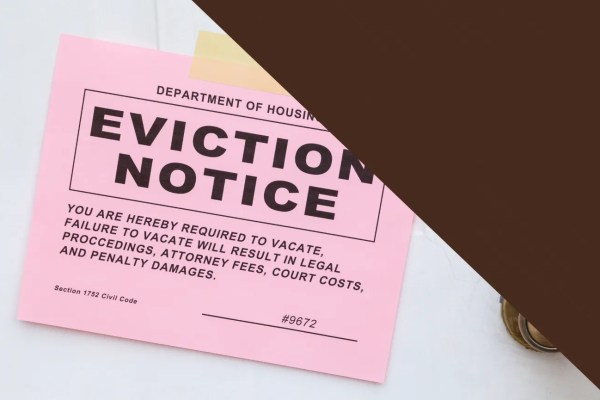
The first thing to understand is that a landlord cannot simply ask you to leave and expect you to comply immediately without legal consequence if you don’t. Nigerian law — in every state — requires a process. That process begins with a notice to quit, which is a formal written notice informing the tenant that the landlord intends to end the tenancy.
The required notice period depends on the type of tenancy. Under the Lagos Tenancy Law, a weekly tenant is entitled to one week’s notice, a monthly tenant to one month’s notice, and a yearly tenant to six months’ notice. Similar principles apply in other states, though the specific periods may differ.
After the notice to quit expires, if the tenant remains in the property, the landlord must serve a “7-day notice of owner’s intention to apply to recover premises” before commencing court action. Only after both notices have been properly served and expired can the landlord file proceedings at the Magistrate Court or Rent Tribunal for an order of possession.
If the court grants the order, the tenant must vacate. If they still don’t leave, court bailiffs can enforce the order. At no point in this process is the landlord permitted to forcibly remove the tenant themselves, change the locks while the tenant is away, remove their belongings, or cut off utilities as a means of compelling them to leave.
These actions — known collectively as “self-help eviction” — are illegal. A landlord who engages in them can be sued for damages, and courts have consistently found against landlords who bypass the legal process.
Tenants who receive a notice to quit should not panic. The notice doesn’t mean you have to leave immediately, and it doesn’t mean the landlord will necessarily follow through with court proceedings. But you should take it seriously, seek advice if necessary, and make sure that your own obligations — particularly around rent — are being met, because a tenant who is in arrears has far weaker grounds to resist eviction than one who is fully paid up.
When a Tenancy Agreement Actually Protects You
Throughout this article, the tenancy agreement has come up repeatedly and that’s not an accident. The single most effective thing a tenant can do to protect their rights is to have a clear, properly drafted tenancy agreement in place before they move in.
Here’s what a good tenancy agreement does for you as a tenant. It records what you agreed to pay and when, so there can be no dispute later about whether you’re in arrears. It documents the caution fee amount and the conditions for its return, giving you a written basis to demand it back. It states the notice period required for the landlord to end the tenancy, so you know exactly where you stand if you ever receive a notice to quit. It sets out the landlord’s obligations around maintenance and repairs, so you have grounds to push back if the landlord neglects the property. And it records the permitted use of the property, so neither party can claim later that a particular activity was or wasn’t allowed.
The reverse is also true. A poorly drafted agreement or worse, no agreement at all leaves you exposed on all of these fronts. You’re relying on the landlord’s memory, the landlord’s goodwill, and the landlord’s interpretation of what was agreed, none of which are reliable when money and property are at stake.
LegalDoc’s tenancy agreement template is drafted by Nigerian lawyers specifically for the Nigerian rental market. It covers the key provisions that protect both parties — including the security deposit terms, notice requirements, maintenance responsibilities, and the landlord’s obligations around quiet enjoyment and access. Generating a properly tailored agreement through LegalDoc takes less than ten minutes and costs a fraction of what a dispute over an absent or vague agreement will cost you down the line.
If you’re a tenant who has already moved in without a written agreement, it’s not too late. You can still formalise the arrangement by approaching the landlord and proposing that both of you sign one. Most reasonable landlords will agree, because a good tenancy agreement protects them too.
What to Do When Your Rights Are Being Violated
Knowing your rights is one thing. Acting on them when they’re being violated is another, and it’s where many tenants hesitate — worried about aggravating the landlord, making the situation worse, or simply not knowing where to start.
The first step is to document everything. If a landlord enters your property without permission, write it down — date, time, what happened. If utilities are cut off, document it with photographs. If you’re being harassed, keep a record of the incidents. Written evidence is what makes claims credible and complaints actionable.
The second step is to communicate formally. A written letter or WhatsApp message (which creates a written record) to the landlord setting out the specific behaviour, referencing the tenancy agreement where relevant, and requesting that it stop is often enough to resolve the situation. Many landlords who engage in improper behaviour do so because they believe the tenant won’t push back — a formal written communication signals that you know your rights and are prepared to enforce them.
If informal communication doesn’t work, the next step is a formal demand letter — a document drafted in legal language that sets out the grievance, the legal basis for the complaint, and the specific remedy being demanded. LegalDoc offers a demand letter template that can be generated quickly for exactly these situations.
Beyond the demand letter, tenants who are facing serious violations — illegal eviction, sustained harassment, or a landlord who refuses to return a caution fee — can file complaints at the Magistrate Court or Rent Tribunal in their state. These are relatively accessible forums that don’t necessarily require legal representation, and they have the power to order landlords to comply with the law, return deposits, and pay compensation.
Frequently Asked Questions About Tenant Rights in Nigeria
Is a landlord allowed to collect two years’ rent in advance in Lagos?
No. The Lagos Tenancy Law 2011 prohibits landlords from demanding or accepting more than one year’s rent in advance for a residential property. A landlord who demands two or three years upfront is in violation of the law. In practice, this provision is frequently ignored, but tenants in Lagos have a legal basis to resist demands for advance rent beyond one year.
What is a caution fee and am I entitled to get it back?
A caution fee is a refundable deposit paid by the tenant before moving in, intended to cover potential damage to the property. You are entitled to get it back at the end of your tenancy, minus any deductions for genuine damage you caused beyond normal wear and tear. The terms governing its return should be clearly stated in your tenancy agreement. If your landlord refuses to return it without a legitimate documented reason, you can demand it back formally and, if necessary, pursue recovery through the Magistrate Court.
Can a landlord enter my property without my permission?
No. Your right to peaceful enjoyment means the landlord cannot enter the property without your consent or reasonable notice. Most tenancy agreements specify a notice period — typically 24 to 48 hours — for inspections or repair access. A landlord who enters without notice is technically trespassing, and repeated unauthorised entry is a breach of your right to quiet enjoyment that you can take legal action to stop.
What is the minimum notice period a landlord must give before ending my tenancy?
This depends on the type of tenancy and the state. In Lagos, under the Tenancy Law 2011, the notice periods are: one week for a weekly tenant, one month for a monthly tenant, and six months for a yearly tenant. These are minimum requirements — a landlord who gives less notice than the law requires cannot lawfully proceed to eviction on the basis of that notice.
Can a landlord cut off my electricity or water to make me leave?
No. This is illegal. Interfering with utilities to coerce a tenant to vacate is a form of illegal eviction and a violation of the tenant’s right to peaceful enjoyment. A landlord who does this can be taken to court, and a tenant in this situation should document the disconnection and seek legal advice promptly.
What should I do if my landlord refuses to return my caution fee?
Start by making a formal written demand — a letter or message clearly stating the amount owed, the basis for the claim (your tenancy agreement), and a deadline for payment. If that doesn’t work, send a formal demand letter. If the landlord still refuses, you can file a claim in the Magistrate Court for recovery of the deposit. Having a written tenancy agreement that clearly documents the caution fee and return conditions makes this process significantly more straightforward.
Can a landlord increase my rent mid-tenancy?
For a fixed-term tenancy, no the landlord cannot increase the rent during the fixed term unless the agreement explicitly provides for a rent review. For a periodic tenancy, the landlord can propose a rent increase at renewal, but must give adequate notice before the new rent takes effect. In Lagos, the required notice for a rent review is the same as the notice to quit meaning a yearly tenant must be given six months’ notice of a rent increase. An increase imposed without proper notice is not enforceable.
What is a notice to quit and does it mean I have to leave immediately?
A notice to quit is a formal written notice from the landlord informing you that they intend to end the tenancy. It does not mean you have to leave the moment you receive it. The notice period must first expire — and that period, as described above, depends on the type of tenancy. After the notice expires, if the landlord wants to proceed, they must serve a further seven-day notice before filing any court action. A notice to quit alone does not give a landlord the right to remove you from the property.
What is self-help eviction and is it legal?
Self-help eviction refers to a landlord taking matters into their own hands to remove a tenant — changing locks, removing belongings, cutting utilities, or physically forcing the tenant out — without going through the court process. It is illegal in Nigeria regardless of the state. The only lawful way to evict a tenant who refuses to leave is to obtain a court order and have it enforced by court officials. A tenant who is subjected to self-help eviction can sue the landlord for damages.
Does a tenancy agreement need to be witnessed to be valid?
A tenancy agreement can be valid without witnesses, but witnessed signatures significantly strengthen the document’s enforceability. Where a tenancy agreement is for a term exceeding three years, it may need to be in the form of a deed, which has more formal execution requirements. For standard residential tenancies, having at least one witness to each party’s signature is strongly recommended — it removes any argument later that a party didn’t sign the document or didn’t understand what they were signing.
What if my landlord won’t sign a tenancy agreement?
A landlord who refuses to put a tenancy agreement in writing is a red flag. It may mean they want to keep the arrangement informal so they can change the terms or end it without consequence. You are entitled to insist on a written agreement before paying any money, including a caution fee or advance rent. If a landlord refuses and you still proceed, you’re taking a significant risk — you’ll have limited legal protection if anything goes wrong.
Can I be evicted because the landlord wants to sell the property?
Not without proper notice and not without following the legal process. If the landlord sells the property during your tenancy, the new owner takes the property subject to the existing tenancy — meaning your tenancy continues until it lawfully expires. If the new owner wants you out, they must give you proper notice and follow the correct legal procedure, just as the original landlord would have had to do.
Knowing Your Rights Is the First Step
The Nigerian rental market is not always fair to tenants. Caution fees go unreturned, landlords ignore notice requirements, and rights that are clearly established in law are routinely brushed aside because tenants don’t know what they’re entitled to.
But the law is there. The right to peaceful enjoyment is real. The restrictions on advance rent exist. The obligation to return deposits is enforceable. The process for eviction is fixed, and a landlord who bypasses it is breaking the law.
The starting point for asserting any of these rights is documentation specifically, a tenancy agreement that clearly spells out the terms of your occupancy. Without it, you’re relying on goodwill. With it, you have something to stand behind.
If you’re about to enter a new tenancy, generate your agreement through LegalDoc before you hand over a single naira. Our tenancy agreement template is drafted by Nigerian lawyers, covers all the key provisions that protect both parties, and takes minutes to complete. It won’t prevent every dispute nothing can, but it gives you the clearest possible foundation for a tenancy relationship that respects your rights from day one.
Because the truth is, knowing your rights means very little if you don’t have the documentation to back them up.